
Air duct cleaning in Denver, CO
Connect with an independent provider for cleaner ductwork in Denver homes.
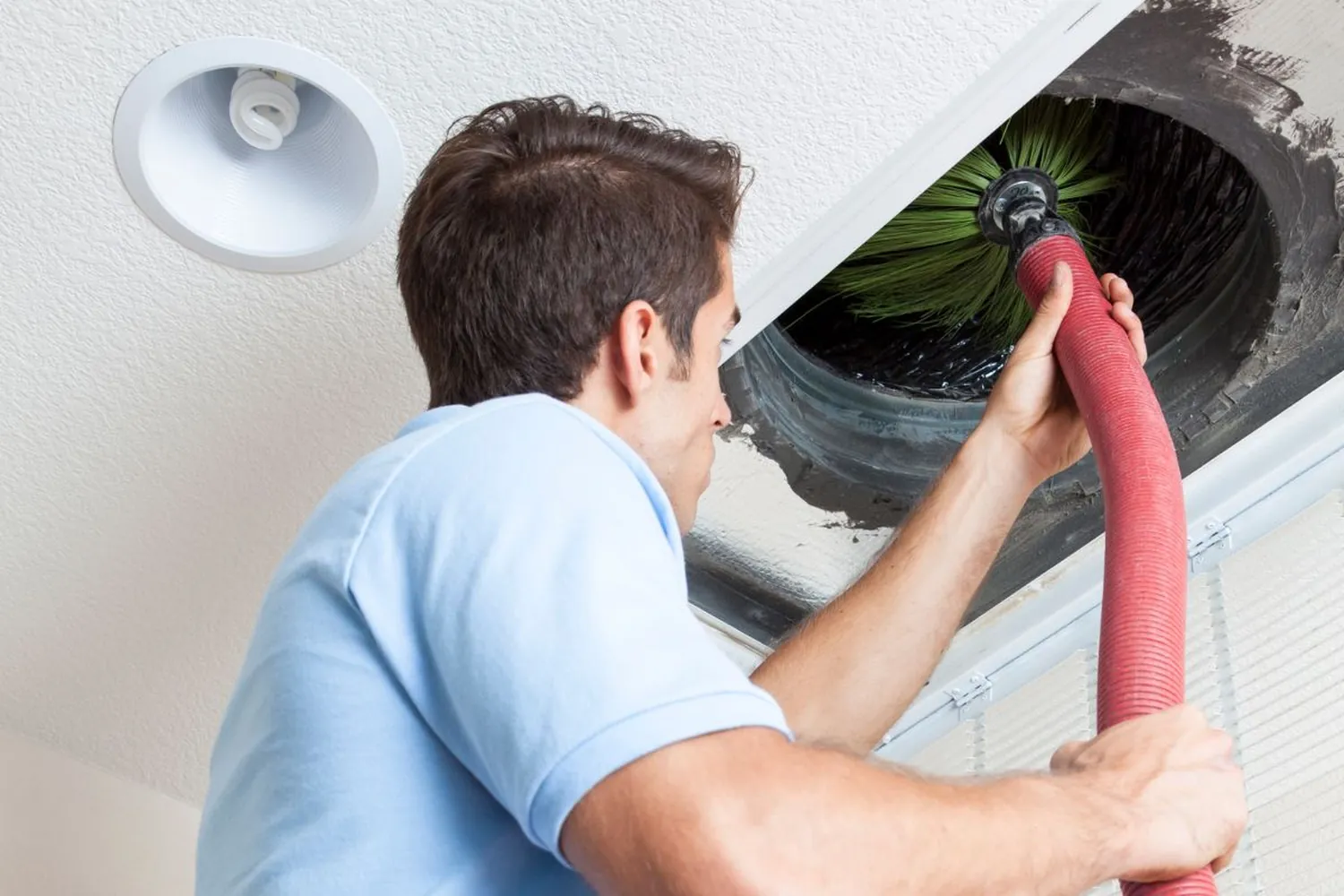
Air Duct Cleaning
TownDenver, CO
CountyDenver
ZIP80202, 80203, 80204, 80205, 80206, 80207, 80209, 80210, 80211, 80212, 80218, 80219, 80220, 80221, 80222, 80223, 80224, 80227, 80230, 80231, 80235, 80236, 80237, 80238, 80239, 80246, 80247, 80249
- 6years of experience
- 3,000customers served
- 12team members
- Since 2019serving homeowners
Air duct cleaning for Denver’s varied housing and changing weather
City Park and its wide lawns sit near some of Denver’s oldest residential streets. Air duct cleaning in Denver can differ between a brick bungalow in Capitol Hill, a Victorian near Five Points, and a newer home in Central Park. The city includes dense urban neighborhoods, postwar ranch homes, converted buildings, townhouses, and high-rise apartments. Air Duct Cleaning Colorado is a referral service founded in 2019 by Ricky Lockwood, connecting homeowners with independent local providers.
Summer heat and humidity
Denver’s summer days can be hot, while afternoon storms can bring quick changes in moisture levels. Windows may stay open during dry, dusty periods, allowing more outdoor material to reach return air ducts and air vents. A provider can inspect the system for dust buildup and restricted circulation.
Basements, crawl spaces and attics
Older Denver houses often have basement mechanical rooms and furnace ducts that have been altered during renovations. Some homes use attic runs or crawl-space ductwork instead. These areas can make access, duct condition, and insulation part of a careful inspection.
Water, drainage and flooding
Heavy rain can expose drainage problems around foundations and low-lying mechanical areas. Water near ductwork may leave staining, moisture concerns, or odors that need to be identified before cleaning begins. The provider who visits can explain whether the ducts, insulation, or another source needs attention.
Power supply and storms
Summer thunderstorms and winter wind events can interrupt power or affect HVAC operation. A cleaning visit does not repair electrical faults, but the technician can note equipment conditions that interfere with safe system operation. Electrical or equipment concerns should be addressed by an appropriate qualified provider.
How air duct cleaning works in Denver homes
Denver homes may have a forced-air hvac system with supply ducts delivering conditioned air to rooms and return air ducts carrying air back to the furnace or air handler. The layout can be simple in a one-story ranch or more complex in a remodeled two-story home. A local provider can identify accessible trunk lines, branch ducts, registers, grilles, and vent covers before work starts.
Ductwork cleaning commonly focuses on accumulated dust, construction debris, pet hair, and material around returns and furnace connections. An airflow restriction can also be caused by a clogged filter, closed register, damaged duct section, or a mechanical issue rather than debris alone. The technician who comes out should explain what is visible and distinguish cleaning needs from repairs outside the cleaning scope.
An air duct cleaning company in the Denver area can connect the system to appropriate collection equipment and clean accessible duct surfaces, vents, and returns. Providers may remove and clean vent covers and work through service openings where access permits. Ask the provider for a written description of the proposed duct cleaning, including which portions of the system can be reached.
Air duct cleaning work in Denver
| Area | What it does | Signs it needs attention |
|---|---|---|
| Supply ducts | Carry conditioned air from the HVAC equipment to room registers. | Dust at registers, debris, or reduced airflow in one or more rooms. |
| Return ducts | Bring indoor air back to the HVAC equipment for heating or cooling. | Dusty return grilles, odors, or material visible near the opening. |
| Registers and grilles | Cover duct openings and direct air into or out of rooms. | Visible buildup, loose covers, or blocked airflow. |
| Air handler cabinet | Houses components that move air through the HVAC system. | Dust around the cabinet, a dirty filter area, or odors when the system starts. |
| Dryer vent | Carries dryer exhaust from the appliance to the exterior. | Lint at the exterior vent cover or longer drying cycles. |
Denver weather and household duct systems
Denver’s semi-arid climate produces dust, pollen, and large swings between daytime and nighttime temperatures. Summer thunderstorms can add brief moisture, while winter heating keeps furnace systems running for long periods. Wind along the Front Range can carry fine outdoor dust into homes when doors and windows are opened. Seasonal filter checks can help protect airflow between cleaning visits.
Where we work in Denver
Also nearby: Lakewood, Wheat Ridge, Edgewater, Glendale, Aurora, Commerce City, Englewood.
Capitol Hill
Older apartments, historic homes, and converted properties can have duct layouts changed by decades of remodeling.
Washington Park
Many established homes have basement furnaces and additions that may use newer duct branches.
Five Points
Historic houses and redeveloped buildings may combine older mechanical spaces with updated HVAC equipment.
Central Park
Newer homes and townhouses often have multi-level duct runs and multiple return locations.
Highland
Renovated brick homes may have altered registers, returns, and mechanical-room access.
Green Valley Ranch
Later-built homes commonly use modern forced-air systems with attic or utility-area access.
Denver air duct system questions
Which Denver ZIP codes and sections can be connected with a local duct cleaning provider?
Independent providers may serve many parts of Denver, including central neighborhoods, west-side areas, southeast Denver, and neighborhoods near Denver International Airport. Coverage can vary by provider, building access, and the kind of system involved. Share your ZIP code, property type, and access details when you call.
How do Denver’s older Capitol Hill and Five Points houses affect ductwork cleaning?
Older homes may have original basement trunks, later additions, abandoned duct sections, or tight access points. A provider should inspect the accessible ductwork before proposing work. Cleaning may not resolve issues caused by disconnected ducts, deteriorated insulation, or an undersized HVAC design.
What should owners of Central Park townhomes or downtown Denver condos expect?
Townhomes can have vertical duct runs and equipment in utility closets, while condos may have building rules for access and equipment use. Ask the property manager whether there are scheduling, elevator, parking, or mechanical-room requirements. The provider can then determine what parts of the system are accessible.
What can Denver’s July thunderstorms do to HVAC equipment and ducts?
July often brings Denver’s frequent afternoon thunderstorms, including hail and abrupt rain. Water around exterior equipment, drainage issues, or a power interruption should be addressed before operating a system that appears unsafe. Duct cleaning addresses accessible interior duct surfaces, not storm damage repairs.
Should an aging furnace and duct system in a Denver bungalow be cleaned, repaired, or replaced?
Cleaning can remove accessible debris, but it does not correct a failing blower, cracked heat exchanger, loose electrical connection, or severely damaged ductwork. The provider who visits can describe visible duct conditions and recommend when a heating or HVAC specialist should evaluate the equipment. Obtain separate written quotes before deciding on repair or replacement.
Need air duct cleaning in Denver?
Tell us your town and what is happening.